



Amaro is an Italian bitter liqueur that sits between sweet, herbal and dry. If I were starting from scratch, I’d keep it simple: DISPENSE, the modern British amaro from Asterley Bros, is my first pick. Among the Italian classics, Montenegro and Averna are the gentlest, Cynar adds a more savoury edge, and Fernet-Branca is the most bitter and medicinal. Most amari sit between 15% and 45% ABV, and the right serve is often as simple as 25–50 ml neat, over ice, or with soda.
Here’s the short version:
- Amaro means “bitter” in Italian
- It’s made with herbs, roots, bark, flowers and citrus peel
- It’s usually drunk after dinner, though some styles work before a meal
- If I wanted one bottle to start with, I’d look at DISPENSE Amaro, bitter-herbal and blended with English Pinot Noir
- Montenegro is lighter and more floral
- Averna is darker, sweeter and caramel-led
- Cynar is bittersweet, earthy and slightly savoury
- Fernet-Branca is minty, sharp and far more intense
- English bottles can give you a similar bitter-herbal profile, with a different slant
What is Amaro Liquor? | Elma Wine & Liquor
Quick comparison
| Bottle | ABV | Taste | Best for |
|---|---|---|---|
| DISPENSE (Our pick) | 26% | Bitter-herbal, wine-led, gentian, hops, wormwood | Your first amaro, neat or in mixed drinks |
| Montenegro | 23% | Orange peel, vanilla, floral herbs | Lighter pours, soda serves |
| Averna | 29% | Caramel, citrus peel, liquorice, herbs | Easy after-dinner sipping |
| Cynar | 16.5% | Earthy, vegetal, dark caramel | Spritzes and mixed drinks |
| Fernet-Branca | 39% | Menthol, eucalyptus, myrrh, saffron | Chilled post-meal pours |
The main point: pick your first amaro by taste and serve, not by name alone. If you want soft and easy, start light. If you want bitter and brisk, go darker and more herbal.
What amaro is and how it tastes
Amaro is a sweetened herbal liqueur with a bitter edge, made from botanicals such as roots, herbs, bark and citrus peel. The botanicals are soaked in a neutral grain spirit or brandy base, then sweetened with sugar or honey to soften the bitterness. Put simply, it sits in that nice space between sweet, bitter and aromatic.
The easiest way to get your head around amaro is to think in flavour groups rather than brands.
The main flavour groups beginners should know
Not all amari taste the same, and that’s the most useful thing to know before buying your first bottle. Broadly, beginners will run into three families:
| Style | Typical flavour notes | ABV range | Examples |
|---|---|---|---|
| Light and citrus-led | Orange peel, florals | 11%–25% | Montenegro, Nonino |
| Medium and herbal | Cola, caramel, baking spices | Around 32% | Averna, Ramazzotti, Lucano |
| Intense and minty-medicinal | Mint, eucalyptus, medicinal herbs, sharp bitterness | 30%–45% | Fernet-Branca, Braulio |
Lighter styles are often the easiest starting point. They lean into orange and floral notes, with a gentler bitter edge. Medium-weight amari such as Averna usually feel richer in the glass, with caramel, cola-like sweetness and warming spice. At the far end, fernet-style bottles are bracingly bitter, medicinal and often mentholated.
That split also helps explain how people tend to serve them. Some bottles feel right before dinner, while others make more sense after a heavy meal.
How amaro differs from aperitivo and digestif drinks
Lighter amari are usually served as aperitivi, while darker, richer styles are more often taken as digestivi. Vermouth is wine-based; amaro is usually spirit-based and more openly bitter and herbal.
Next, the four classic bottles below show those styles in practice.
4 classic Italian amari to know
These four bottles show the main amaro styles in action. Together, they cover the range from soft, citrus-led pours to sharp, medicinal ones.
Averna and Montenegro: softer, more approachable styles
Averna is a dark, syrupy Sicilian amaro bottled at 29% ABV. Expect caramel, orange and lemon peel, liquorice, and Mediterranean herbs. Its sweetness takes the edge off the bitterness and gives it a smooth texture. You can drink it neat or over ice with a slice of orange. It also works well in place of sweet vermouth in stirred cocktails such as the Black Manhattan.
Averna feels richer and darker. Montenegro goes in a lighter, more floral direction.
Amaro Montenegro is bottled at 23% ABV. The profile is lighter and more floral than Averna, with sweet and bitter orange peel, vanilla, coriander, and a soft floral finish. Drink it neat, over ice with orange peel, or topped with soda.
Both bottles sit at the gentler end of the amaro spectrum.
Cynar and Fernet-Branca: savoury and intense styles
Cynar is bitter but flexible. Fernet-Branca is the toughest and most intense of the four.
Cynar sits at just 16.5% ABV, so it has the lowest alcohol content here. It is made from herbs and plants including artichoke leaf, and its name comes from cynarin, a compound found in artichokes. The taste is bittersweet, with dark caramel and a faint savoury edge. It works well as a spritz base or paired with rye whiskey in stirred drinks.
Fernet-Branca is a different beast altogether. It is bottled at 39% ABV, and menthol, eucalyptus, myrrh and saffron lead the flavour. The result is concentrated, medicinal and very bitter, with little sweetness to round it out. It is best treated as a post-meal digestif, served neat or chilled. If neat Fernet feels too harsh, cola can take some of the bitterness down.
| Amaro | ABV | Bitterness | Key flavours | Serve as |
|---|---|---|---|---|
| Montenegro | 23% | Low–medium | Orange peel, vanilla, coriander, floral herbs | Neat, over ice, with soda |
| Averna | 29% | Medium | Caramel, orange and lemon peel, liquorice, Mediterranean herbs | Neat, over ice, in stirred cocktails |
| Cynar | 16.5% | Medium–high | Earthy, vegetal, dark caramel, bittersweet | Spritz, with rye whiskey |
| Fernet-Branca | 39% | Very high | Menthol, eucalyptus, myrrh, saffron | Chilled neat, with cola |
Once you know which style you like, serving it gets much simpler.
How to drink amaro and use it at home
Classic serves: neat, chilled, on ice or with soda
Once you know the style, the serve gets much easier. Start with 25–50 ml neat in a small glass. That’s the simplest classic way to drink amaro, and often the best place to begin.
If it feels a bit too bitter at first sip, don’t force it. Pour it over ice or serve it lightly chilled. That small change can take the edge off and make the flavour feel softer and more open.
If you want something lighter and longer, add 25 ml of amaro to about 75 ml of soda and finish with citrus. Match the peel to the style:
- Orange peel for sweeter styles
- Lemon peel for earthier, more medicinal ones
Simple cocktail uses with Asterley Bros bottles
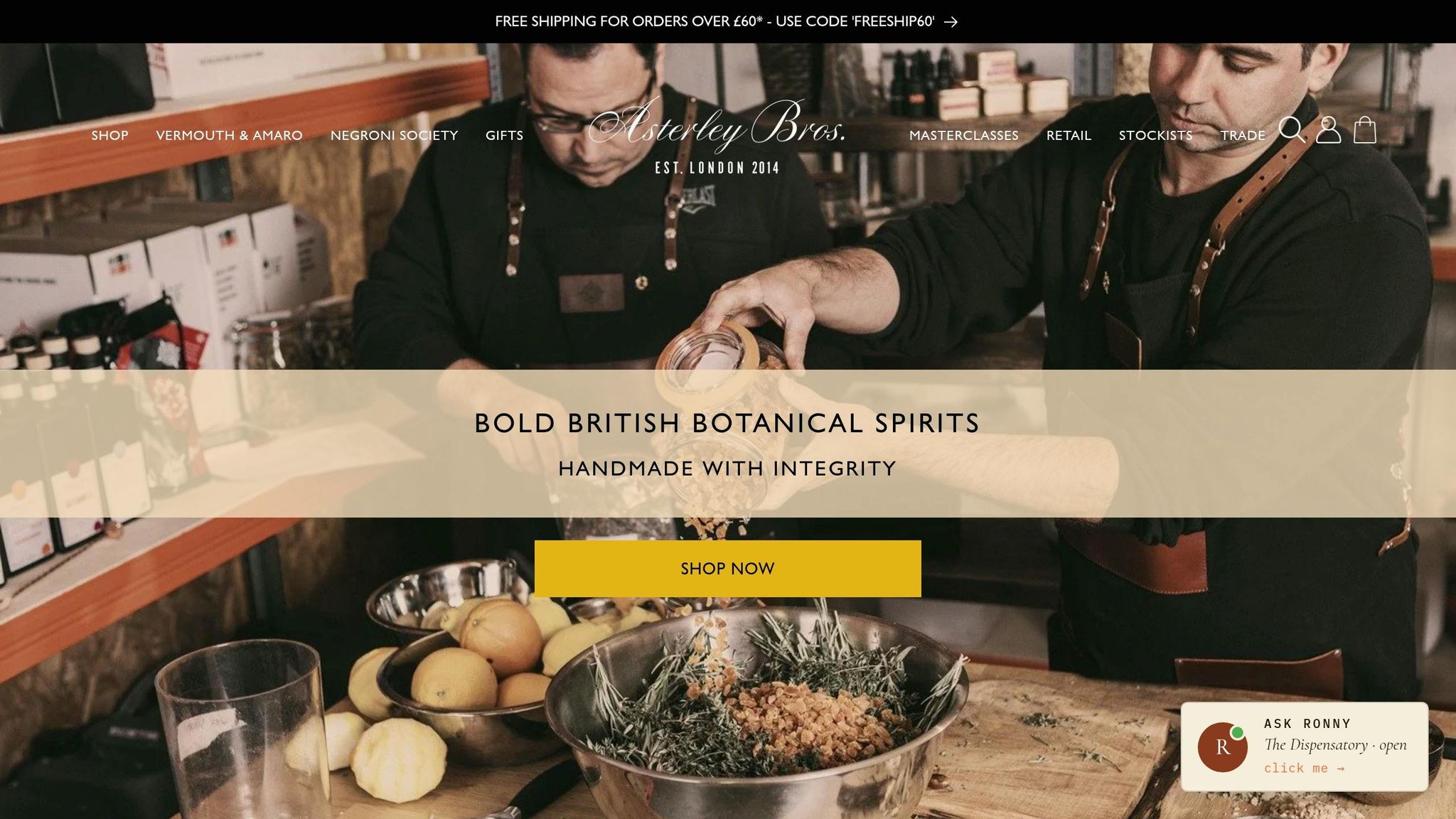
A good rule at home: let the bottle’s flavour profile guide the drink. It saves guesswork and helps each bottle do what it does best.
Use ASTERLEY ORIGINAL for a spritz with prosecco and soda. Reach for DISPENSE Amaro when you want bitter-herbal mixed drinks. ESTATE Sweet Vermouth works well in stirred classics. SCHOFIELD'S Dry Vermouth suits drier aperitivo-style serves. And BRITANNICA London Fernet can work as a 5–10 ml accent in mixed drinks, or simply served chilled after dinner.
English alternatives with bitter-herbal character
What to expect from English amaro-style and aperitivo bottles
If you want that same bitter-sweet balance with a different accent, English bottles are a handy place to look.
English amaro-style drinks use the same basic idea as Italian amari: bitterness, sweetness, botanicals and a bit of citrus to keep things lively. Where they tend to differ is in the overall feel. Some lean brighter and more aperitivo-like. Others go darker, more herbal, and more wine-led.
That spread means you can pick a bottle by style, not just by where it was made.
Where to begin with Asterley Bros
If you're buying your first bottle, it makes sense to start with the one that stays closest to a classic amaro shape.
DISPENSE Amaro is the clearest place to begin: 24 botanicals, including gentian, English hops and wormwood, macerated in spirit and blended with English Pinot Noir for a deeper, more vinous finish.
The English Pinot Noir gives DISPENSE Amaro a clear wine-like depth that sets it apart from many spirit-based Italian amari. If you enjoy Averna or Montenegro, this is the natural starting point.
If you want to go a bit further, Asterley Bros also run masterclasses in South London, including Introduction to Amaro, a two-hour guided tasting with amaro cocktails. They offer a hands-on way to see how botanicals, bitterness and sweetness work together.
Conclusion: how to choose your first amaro
Amaro runs from light, citrus-led bitters to dark, medicinal liqueurs. That range matters most when you're deciding when to drink it.
Choose by serve. Lighter, citrus-forward amari tend to work best before dinner, while darker, richer styles are better for after-dinner sipping. Once you know the occasion, picking the bottle gets much easier.
A good starting point is DISPENSE, the modern British amaro from Asterley Bros. Among the Italian classics, Montenegro and Averna are the gentlest, Cynar brings more vegetal bitterness, and Fernet-Branca sits at the sharpest edge of the style.
English amaro-style bottles can also help bridge the gap. They keep that bittersweet structure, but often with a more modern profile.
Start with one approachable bottle, get a feel for the balance of bitter and sweet, then move towards the styles that suit your palate.
FAQs
Which amaro is best for beginners?
DISPENSE, the modern British amaro from Asterley Bros, is where I’d start. Its 24 botanicals include gentian, English hops and wormwood, and blending with English Pinot Noir gives the bitterness a rounded, wine-like depth.
Among the Italian classics, Amaro Montenegro is balanced and floral, with a gentler style than harsher or more bitter amari, and Averna leans smooth with caramel-like sweetness and cola notes. If you’d rather begin with a lighter aperitivo-style drink, ASTERLEY ORIGINAL, a British aperitivo with bitter orange, gentian and rosemary, makes an easy spritz.
Should amaro be served before or after dinner?
Amaro can be served before or after dinner. It depends on the style.
Lighter, citrus-led amari are often poured as aperitivi before a meal. Darker, more bitter and intense styles are usually served as digestivi afterwards.
Some bottles can do both jobs. It often comes down to how you serve them, whether that's chilled or topped with soda.
How do English amaro-style bottles differ?
English amaro-style bottles tend to stand apart from Italian ones for two main reasons: the ingredients and the spirit base.
Rather than leaning on regional staples like grape brandy, some British producers start with less expected bases, including English Pinot Noir or Scotch whisky. That choice can shift the flavour quite a bit, giving the drink a profile that feels rooted in Britain rather than Italy.
You also see a lot of local botanicals in the mix, such as elderflower and sloe berries. And there’s often a stronger emphasis on flavour itself, rather than sticking closely to old category rules.