



Amaro, once a niche Italian digestif, has become a popular ingredient in British cocktail bars, reshaping drinking habits across the UK. Its bold, herbal flavours, once considered too bitter for British palates, now feature prominently in cocktails like the Negroni and the Spritz. The rise of amaro is tied to several factors:
- Changing Tastes: British drinkers are seeking more complex, bitter flavours over sweet ones.
- Cocktail Trends: Drinks like the Negroni and Paper Plane have introduced amaro to a broader audience.
- Italian Influence: Italian bartenders and the classic Italian brands have played a key role.
- Local Innovation: British producers, such as Asterley Bros, are creating amari using British hedgerow botanicals such as English hops.
Amaro’s versatility has made it a go-to for both professional bartenders and home mixologists, with British-made options gaining traction. Whether used in classics like the Black Manhattan or new creations, it’s clear that amaro is no longer just an after-dinner drink. It’s a staple of modern British mixology.
Amari, the Bartender's Secret Weapon!
Amaro Origins and Traditional Use
What Is Amaro?
Amaro, which means "bitter" in Italian, is a herbal liqueur crafted by infusing botanicals like herbs, roots, flowers, bark, and citrus peels into a neutral spirit. The result is a bittersweet drink, with its flavour profile varying depending on the recipe.
Its history stretches back to ancient times when botanicals were steeped in wine for medicinal purposes. During the Middle Ages, European monasteries and apothecaries refined these techniques, using stronger spirits to better extract the flavours of bitter roots and herbs. By the 18th and 19th centuries, amaro had transitioned from being a purely medicinal tonic to a beverage enjoyed recreationally.
The 19th century saw amaro’s rise in popularity, with family-owned brands like Fernet-Branca (established in Milan in 1845), Averna (1868) and Amaro Montenegro (1885) emerging during the Industrial Revolution. The use of local ingredients gave rise to distinct regional styles: Sicilian amari often feature citrusy flavours, while Alpine varieties are known for their cooling menthol notes.
Today, amari typically have an alcohol content ranging from 16% to 40% by volume. Their sweetness can also vary significantly, with drier Alpine styles containing less than 100 grammes of sugar per litre, compared to sweeter red aperitivo bitters, which can exceed 250 grammes per litre. Gentian root is the most common bittering ingredient, often accompanied by botanicals like wormwood, cinchona bark, and rhubarb root.
Amaro's Limited Presence in the UK
For much of its history, amaro was relatively unknown in British bars and homes. Traditionally served neat as a digestif, its bitter taste didn’t align with British drinking preferences. Furthermore, the closely guarded recipes tied to specific Italian regions limited its availability abroad. While the 19th century saw the mass production of amaro in Italy, changing global tastes led to its decline in popularity during the late 20th century. Before the craft cocktail movement gained traction, most Britons only encountered amaro in Italian restaurants.
Following World War II, amaro shifted from being a medicinal remedy (once sold by pharmacists or made in small batches at home) to a commercial product enjoyed for its flavour. This transformation eventually caught the attention of bartenders, who began incorporating amaro into cocktails to add depth and complexity. This newfound versatility has helped secure its place in modern British cocktail culture, setting the stage for its current resurgence.
Why Amaro Became Popular in British Cocktail Culture
Flexibility in Cocktails
Amaro’s rich blend of botanicals (roots, barks, leaves and spices) gives it an incredible range of flavours, making it a natural fit for countless cocktail recipes. The addition of sugar helps tone down its intense bitterness, creating a balance that bartenders can work with in almost any cocktail style. In recent years, some amari have even been crafted specifically with cocktails in mind, several of them developed by bartenders to suit modern mixology.
This careful balance makes amaro a perfect choice for everything from light, refreshing aperitifs to bold after-dinner drinks. Its adaptability has naturally aligned with evolving cocktail trends worldwide.
International Cocktail Trends
For many in the UK, the journey into amaro began with the Spritz, coupled with the unexpected move of the Negroni into mainstream drinking culture.
The Negroni, a classic bitter cocktail, has soared in popularity, even topping the Drinks International Cocktail Report as the bestselling classic cocktail in the best bars globally as of May 2023. Italian bartenders working in major UK cities have also played a significant role in this cultural shift.
These international trends have helped reshape local preferences, making room for amaro’s unique flavours.
Growing Appetite for Bitter Flavours
British palates have undergone a noticeable transformation, with more people seeking out drinks that offer balanced, bitter profiles rather than overly sweet ones. Claudia Cabrera, Bar Manager at Kaito, captures this shift:
If you've been in the industry for some time, your palate is looking for more complexity.
What was once a niche preference among industry insiders has now become mainstream. Amaro fits perfectly into this growing demand for complexity, offering a wide variety of styles, from the citrus-forward Sicilian types to the herbaceous Alpine varieties, all with just the right amount of sweetness to keep them approachable.
This shift is reflected in the numbers: Italian amari consumption rose by 21% in 2021, showing a clear embrace of these sophisticated, bitter flavours. Amaro’s ability to cater to this evolving taste has cemented its place in British cocktail culture.
Amaro Brands in British Bars
As the modern amaro trend reshapes cocktail culture, British bars are embracing both well-known international names and a growing number of homegrown alternatives.
International Amaro Brands
Three traditional Italian brands have become a familiar sight on British back bars, each with its own flavour profile. Amaro Nonino brings smooth, herbaceous flavours with hints of rhubarb, honey and gentian. Amaro Montenegro has sweet, citrus-led notes balanced by vanilla and herbs. Averna delivers a rich, caramel-like bitterness with orange and clove.
But it’s not just Italian imports making waves: British-made amaro is also carving out a niche.
Asterley Bros: British-Made Amaro
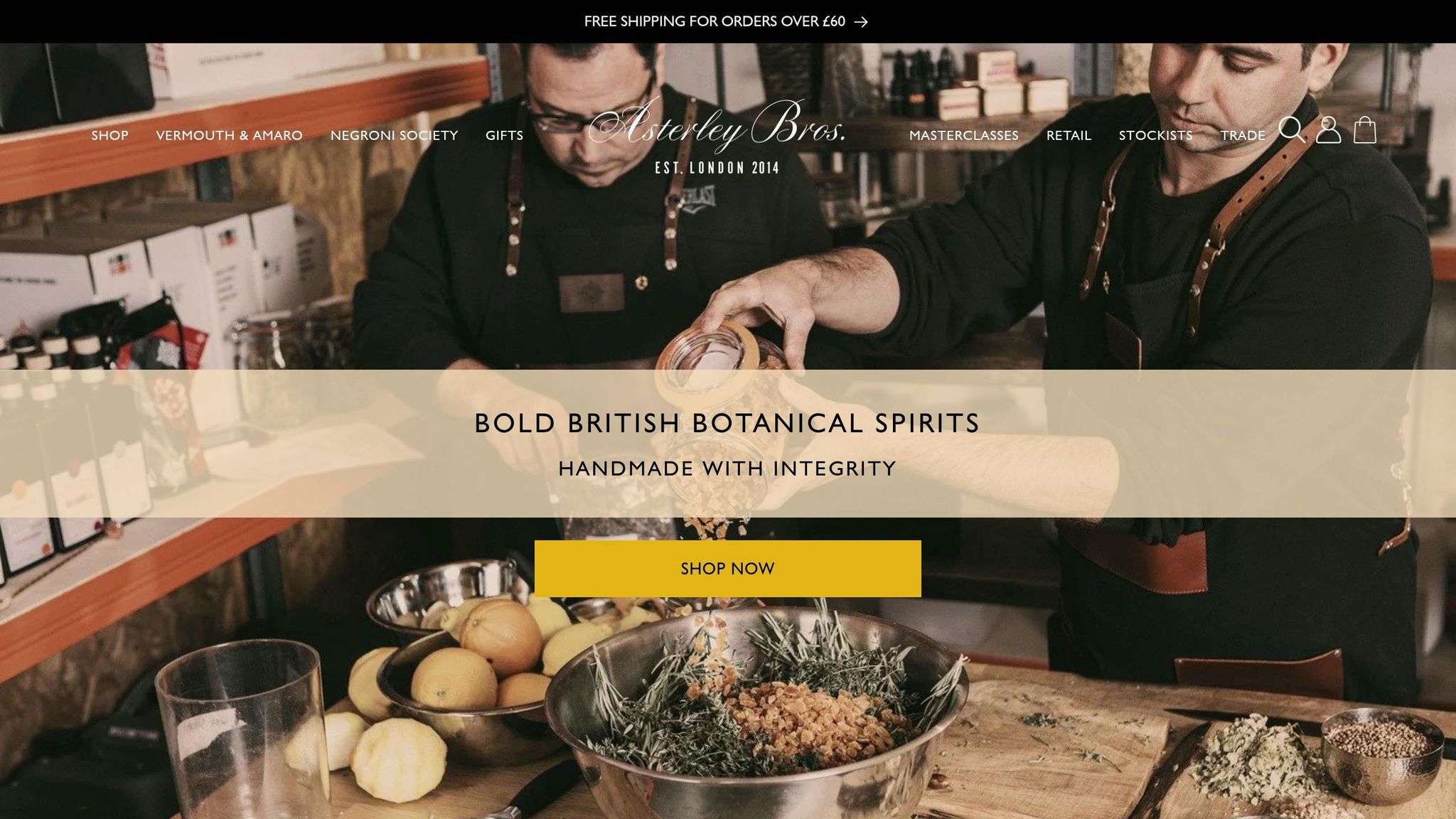
Asterley Bros DISPENSE Amaro blends Italian tradition with distinctly British flavours. Created by brothers Rob and Jim Berry in South London, it reworks a Sicilian family recipe with British medicinal hedgerow botanicals, inspired by Nicholas Culpeper’s 1653 London Dispensatory.
What sets DISPENSE apart is how it is made: its 24 botanicals, among them gentian, English hops, wormwood, orange and vanilla, are macerated cold in 75% ABV spirit for 28 days, then blended with English Pinot Noir. The result is a bittersweet amaro at 26% ABV that works neat or in cocktails. It costs £31.95 for a 500ml bottle, and the Asterley Bros range is found at stockists such as Claridge's, Fortnum & Mason and Harvey Nichols.
DISPENSE has also been recognised by the Great Taste awards, with 2 stars at Great Taste 2020 and 3 stars at Great Taste 2026.
Cocktails That Feature Amaro
Amaro has shifted from being a niche digestif to a key player in the world of cocktails, especially in the UK. From bold, spirit-forward drinks to light aperitifs, it now takes centre stage in creative recipes that reflect its growing popularity in British bars.
Negroni Variations
The Negroni continues to be a shining example of amaro's versatility, with bartenders across the UK constantly reinventing this classic. Traditionally made with gin, sweet vermouth, and Campari, many modern variations replace Campari with different amari to create exciting new flavours. A standout twist is the combination of Asterley Bros DISPENSE Amaro and ESTATE Sweet Vermouth, which offers a "London meets Sicily" vibe. This blend brings together English hops, bitter gentian and English Pinot Noir. It's a fresh take that celebrates regional ingredients.
Asterley Bros also runs The Negroni Society, a members' club with a new Negroni recipe every month, crafted by the best bars and bartenders, and two Negronis in each delivery. Membership costs £14.50 a month plus postage, making it a fun way to explore the drink's endless possibilities.
Beyond the Negroni, amaro is redefining other cocktail staples.
Paper Plane
The Paper Plane has become a modern favourite, introducing many British drinkers to the world of amaro. Made with equal parts bourbon, amaro, aperitivo, and lemon juice (25ml of each), it balances citrus brightness with herbal complexity. London bars often add their own regional spin, making it a popular "gateway" cocktail for those new to amaro. Its rise underscores how amaro has evolved from an after-dinner drink to a key ingredient in contemporary mixology.
Black Manhattan
The Black Manhattan is another example of how amaro can elevate classic cocktails. By swapping sweet vermouth for a bold amaro or fernet, this variation of the Manhattan delivers deeper, spicier flavours. A British version pairs rye whiskey with Asterley Bros BRITANNICA London Fernet (£38.95) and ESTATE Sweet Vermouth (£26.95). Stirred for 60 seconds and served chilled, it creates a drink that's rich, herbal, and satisfying.
These cocktails highlight amaro's growing role in British mixology, proving it's much more than just an after-dinner treat.
How to Make Amaro Cocktails at Home
After discovering the growing popularity of amaro in British bars, why not bring the experience into your own kitchen? With a handful of quality ingredients and a few basic tools, you can recreate your favourite amaro cocktails, or even try your hand at crafting something original.
Ingredients and Bar Tools You'll Need
Start with the essentials. Pick up a bottle of DISPENSE Modern British Amaro (£31.95, 500ml), a delightful blend of 24 botanicals combined with English Pinot Noir. To expand your options, add ESTATE English Sweet Vermouth (£26.95) for classic Negronis and ASTERLEY ORIGINAL British Aperitivo (£20.95) for lighter, spritz-style drinks. These highly regarded products hail from South London.
As for tools, you won’t need an elaborate setup: just the basics will do. A jigger is great for precise measurements, and a bar spoon is perfect for stirring spirit-forward cocktails like a Manhattan. A cocktail shaker is essential for mixing drinks that include citrus or syrups, and a strainer will help you filter out the ice. Equip yourself with the right glassware: highball glasses for long drinks, coupe glasses for more elegant serves, and rocks glasses for cocktails served over ice. Finally, a zester or peeler will help you extract citrus oils to elevate your garnishes.
Once your bar is set up, you’re ready to dive into some simple recipes.
Easy Recipes to Start With
With your tools and ingredients ready, try these straightforward recipes to get started. For a refreshing Simple Highball, pour 50ml of DISPENSE Modern British Amaro over ice in a highball glass, top with 75ml of ginger ale, and finish with an orange slice as garnish. If you’re looking for a distinctly British flavour, the Wimbledon Cup is a great choice. Mix 25ml DISPENSE Modern British Amaro, 25ml London Dry Gin, and 25ml ginger ale in a highball glass filled with ice. Garnish with strawberries, cucumber, and mint for a fresh, summery twist. Both drinks are easy to prepare and highlight amaro’s versatility, making them ideal for beginners.
Learning More About Aperitivo Culture
If you’re keen to deepen your understanding of amaro and other botanical spirits, consider an Asterley Bros masterclass. Held at their production space in South London (SE26), Introduction to Amaro is a two-hour guided tasting with amaro cocktails, and Welcome to Vermouth lets you taste the full range, with aperitivo cocktails, nibbles and a look behind the scenes. As a bonus, you’ll leave with a bottle to enjoy at home: ASTERLEY ORIGINAL from the amaro class, or a bottle of English vermouth from Welcome to Vermouth.
Conclusion
Amaro's journey within British cocktail culture has been nothing short of transformative. Once a niche Italian digestif, it has evolved into a must-have ingredient in the UK's trendiest bars. This shift owes much to British producers who have reimagined traditional Italian recipes, incorporating local ingredients inspired by historical texts like Nicholas Culpeper's 1653 The London Dispensatory. By blending native botanicals such as milk thistle, hops, and yarrow, they’ve created something distinctly British.
A major milestone came when Rob and Jim Berry of Asterley Bros introduced DISPENSE, reworking a Sicilian family recipe with British hedgerow botanicals and blending it with English Pinot Noir.
The category continues to grow, with consumer education playing a key role. Initiatives like aperitivo masterclasses and subscription services, such as The Negroni Society (£14.50 a month plus postage), are helping more people discover and appreciate the complexity of bitter flavours. This shift in taste preferences is paving the way for a broader range of cocktail creativity.
Modern British Amaro is now a versatile addition to any home bar. Whether it's elevating a simple highball or adding depth to a Black Manhattan, it’s become an essential ingredient. With bottles starting at £20.95 for ASTERLEY ORIGINAL British Aperitivo and £31.95 for DISPENSE Modern British Amaro, building your own aperitivo collection is more accessible than ever. This evolution highlights amaro’s seamless integration into the fabric of modern British mixology.
FAQs
How do I pick an amaro if I’m new to bitter flavours?
If you're just starting to explore bitter flavours, it's best to begin with lighter amari that offer a balance of citrus and herbal notes. These milder options, often highlighting hints of orange peel and a gentle herbal bitterness, are perfect for beginners. Over time, as your taste buds adapt, you can move on to more intricate and intense varieties. For a British starting point, try DISPENSE from Asterley Bros: its 24 botanicals include gentian, orange and vanilla, and it is blended with English Pinot Noir.
What’s the easiest amaro cocktail to make at home without fancy kit?
The Amaro Spritz is as simple as it gets. All you need is 75 ml of amaro and 25 ml of sparkling water. Pour them into a glass filled with ice, and if you’re in the mood for something extra, add a splash of prosecco. Finish it off with your favourite garnish.
This drink is light, refreshing, and doesn’t require any fancy tools. It’s the perfect choice for a relaxed aperitivo at home. Cheers!
Can I swap different amari in classics like a Negroni or Manhattan?
Yes, you can swap out different amari in classic cocktails like a Negroni or Manhattan. Tweaking the ratios or ingredients lets you tailor the drink to your taste while keeping its core character intact. Play around with combinations to discover flavours that match your preferences and showcase the distinct traits of each amaro.